


No products in the cart.
News
Translation Devices: 10 Practical Applications in Modern Life
25
Jul
Jul
Translation Devices – Breaking Language Barriers Worldwide
In today’s globalized world, effective multilingual communication has become essential across industries and everyday life. From international conferences and business meetings to tourism, healthcare, and education, translation devices are transforming the way people communicate across different languages.
Modern translation devices are no longer limited to large-scale events. They are now widely used by businesses, travelers, educational institutions, and government organizations to facilitate seamless communication and improve user experiences.
Whether you are organizing an international conference or traveling abroad, translation devices offer practical solutions for overcoming language barriers.
What Are Translation Devices?
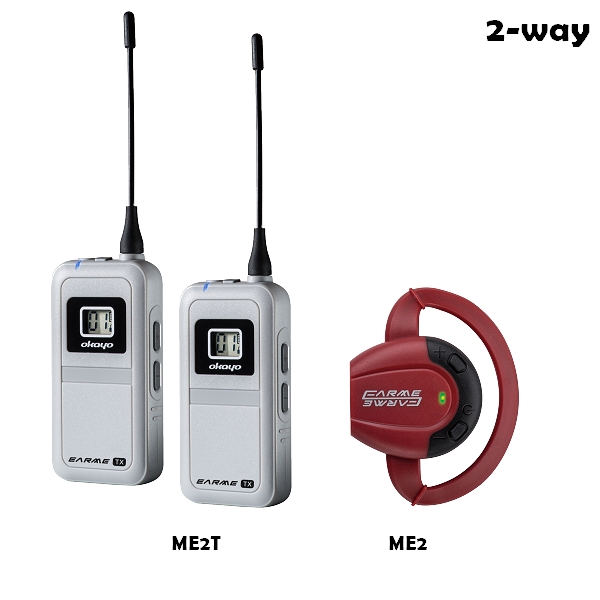
Translation devices are electronic tools designed to support multilingual communication. Depending on their applications, they may include:
- Conference interpretation systems
- Portable translation devices
- Simultaneous interpretation equipment
- Wireless interpretation receivers
- Interpretation booths for professional interpreters
- Multilingual communication systems
These devices are designed to deliver clear, real-time translations for individuals and large audiences alike.
1. International Conferences and Seminars
One of the most common applications of translation devices is in international conferences and seminars.
Conference interpretation systems allow participants to listen to real-time translations in their preferred language without interrupting the speaker. This technology has become a standard requirement for multinational events, ensuring smooth communication among attendees from different countries.
Benefits include:
- Improved communication efficiency
- Professional event management
- Enhanced participant experience
- Support for multiple languages simultaneously
2. Business Communication and International Partnerships
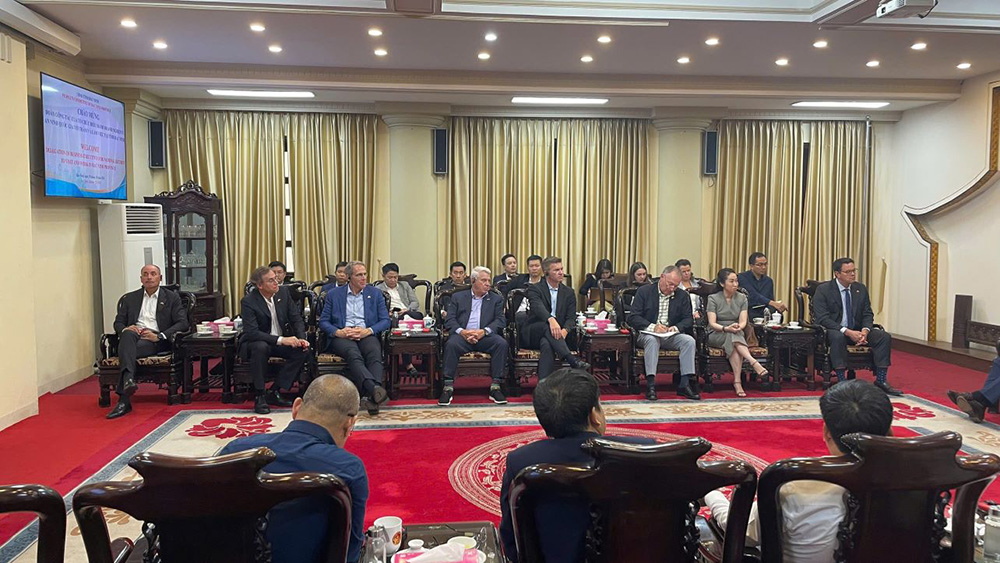
Companies that regularly work with foreign clients and international partners rely on translation devices to facilitate meetings, negotiations, and corporate training sessions.
Translation devices help businesses:
- Improve cross-border communication
- Increase productivity during multilingual meetings
- Strengthen international partnerships
- Reduce misunderstandings caused by language barriers
Multinational corporations and foreign-invested enterprises frequently use interpretation systems for corporate events and internal communications.
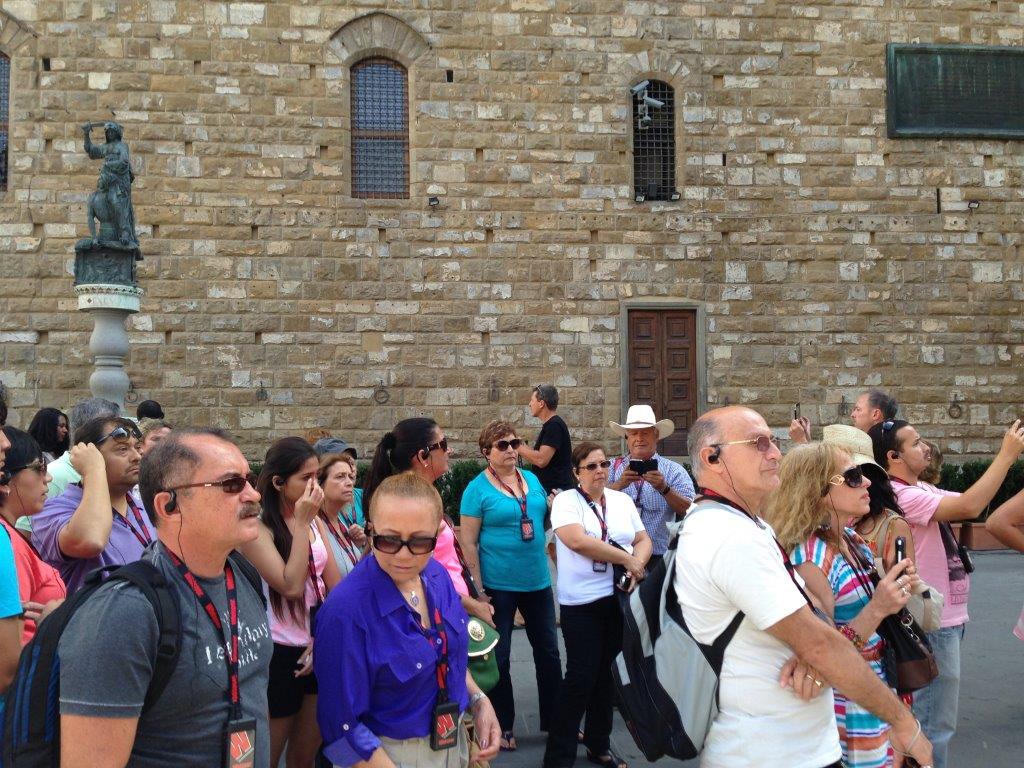
3. Tourism and Cultural Heritage Experiences
The tourism industry has greatly benefited from multilingual translation technologies.
Translation devices can be used to provide guided experiences at:
- Museums
- Historical sites
- Tourist attractions
- Manufacturing facilities
- Cultural exhibitions
- Industrial parks
By delivering multilingual content, tourism operators can significantly improve visitor satisfaction and accessibility for international travelers.
4. Education and Professional Training
Educational institutions increasingly host international lecturers and students from around the world.
Translation devices are widely used in:
- International classrooms
- Professional training programs
- Academic conferences
- Research seminars
- Educational exchange programs
Real-time translation enables participants to fully understand lectures and presentations regardless of language differences.
5. Healthcare and Medical Communication
Effective communication is critical in healthcare settings. Translation devices can help medical professionals communicate accurately with foreign patients and international specialists.
Applications include:
- Medical consultations
- International healthcare conferences
- Professional medical training
- Multilingual patient support
- International medical collaborations
These solutions help minimize communication errors while improving the quality of healthcare services.
6. International Trade Shows and Exhibitions
Trade fairs and exhibitions attract visitors and businesses from across the globe.
Translation devices allow exhibitors to:
- Present products to international audiences
- Communicate with foreign buyers
- Conduct multilingual demonstrations
- Improve customer engagement
Multilingual communication systems have become valuable tools for enhancing networking opportunities at global business events.
7. Government and Diplomatic Events
Government agencies and diplomatic organizations regularly organize multilingual meetings and international forums.
Conference interpretation systems are commonly used for:
- Diplomatic conferences
- Government summits
- International cooperation programs
- Policy discussions
- Official state events
These systems ensure that delegates receive accurate and simultaneous translations throughout the event.
8. Personal Travel Assistance
Portable translation devices have become increasingly popular among travelers.
They are useful for:
- Asking for directions
- Ordering food
- Booking accommodations
- Shopping abroad
- Communicating with local residents
Portable translation devices provide convenience and confidence for tourists exploring new destinations without language limitations.
9. Manufacturing and Industrial Applications
Many manufacturing companies employ foreign experts or collaborate with international partners.
Translation devices are frequently used for:
- Technical training
- Technology transfer programs
- Factory tours
- Equipment operation instructions
- Engineering meetings
These applications help businesses improve workplace communication and operational efficiency.
10. Hybrid and Virtual Events
The growing popularity of hybrid and virtual events has increased the demand for multilingual communication technologies.
Modern translation devices can integrate with online meeting platforms, enabling participants from different countries to access simultaneous translations during:
- Virtual conferences
- Hybrid meetings
- International webinars
- Online training programs
This technology helps organizations deliver professional multilingual experiences regardless of participants’ locations.
Benefits of Using Translation Devices
Translation devices provide numerous advantages, including:
- Eliminating language barriers
- Improving communication efficiency
- Supporting multiple languages
- Enhancing professionalism
- Increasing accessibility for international audiences
- Improving event experiences
- Saving time and resources
- Offering scalable communication solutions
Conclusion
Translation devices have become indispensable tools for modern communication. Their applications extend far beyond conference rooms, supporting industries such as tourism, healthcare, education, manufacturing, and international business.
As globalization continues to connect people worldwide, investing in translation devices and multilingual communication solutions can significantly enhance collaboration, accessibility, and overall communication effectiveness.
Whether for personal travel or large-scale international events, translation devices are helping create a more connected and multilingual world.

 Call now